Partner With Region Six
Guidance and Implementation Support
for Reparatory Justice and Sovereign Futures
Region Six International Advisory Services works with governments, regional bodies, civil society institutions, funders, sponsors, business and investment partners, and strategic partners advancing reparatory justice as a pathway to sovereignty, cooperation, healing, and shared prosperity.
We help partners connect policy vision with public engagement, institutional capacity, stakeholder trust, and the delivery of real material change.
Policy · Finance · Labour · Law · Communications · Public Engagement · Implementation
Why Partners Come to Region Six
For leaders ready to move from principle to program.
The next phase of reparatory justice requires strategy, coordination, credible public engagement, and the ability to translate ambition into work that communities, governments, and partners can recognize as meaningful. Region Six exists to support that next phase.
Clarify the Agenda
Define goals, audiences, risks, messages, partners, and practical next steps.
Build Stakeholder Trust
Align institutions, civil society, communities, funders, and regional partners.
Design Public Engagement
Shape forums, briefings, articles, listening sessions, and education tools people can enter.
Connect Policy to People
Translate high-level commitments into work communities can recognize and trust.
Plan for Delivery
Turn concepts into programs, convenings, timelines, responsibilities, and follow-through.
Keep Sovereignty in View
Anchor the work in capacity, self-determination, fairer relationships, and material change.
What Region Six Does
Four areas of guidance and implementation support.
Region Six's work is fluid and responsive to the situation, while remaining focused on the ultimate goals of sovereignty, healing, and material change.
Governance, Partnership and Participation
Stakeholder alignment, institutional coordination, convening design, public participation, and follow-through.
Reparatory Justice and Litigation
Legal and policy research, historical documentation, issue framing, public education, and strategic communications around reparatory justice claims and frameworks.
Political and Economic Sovereignty
Policy narratives, regional cooperation, trade, finance, debt justice, investment, and South-South partnership.
Work, Equity and Investment
Worker-centered economic justice, youth opportunity, social protection, capital partnerships, and shared prosperity.
Policy
Designs systems.
Frameworks, institutions, coordination, and the architecture of change.
Healing
Helps people trust, engage and rebuild.
Dignity, memory, civic trust, and the human dimension of repair.
Region Six works where both are required
Policy + Healing
Where public policy meets Emotional Justice*.
Reparatory justice is not only a legal or economic conversation. It is also a public and emotional process shaped by memory, dignity, recognition, participation, and the ability of people and communities to see themselves in the future being built.
Region Six helps partners approach this work with seriousness and care: connecting policy frameworks to public education, civic trust, cultural memory, community participation, and material outcomes.
*Emotional Justice framework created and named by Esther A. Armah.
Who We Work With
A bridge across regions, institutions, and communities.
Region Six is built for work that crosses borders, sectors, languages and audiences. We support partners working across Africa and the African diaspora, with particular strategic focus on the Caribbean, Latin America, the Global South, Ghana, the African Union, CARICOM, and CELAC.
Our work connects policy leaders, civil society institutions, legal and economic thinkers, public educators, movement partners, business and investment partners, funders, sponsors, and communities seeking a practical path toward repair, healing, sovereignty, and shared prosperity.
Africa
Ghana, Accra, African Union
Caribbean
CARICOM, Trinidad & Tobago, Barbados
Latin America
Brazil, CELAC, Salvador
Global South
Cross-regional partnerships
We work with:
Governments and public institutions
Foreign embassies and High Commissions
Regional bodies and multilateral organizations
Civil society institutions
Sponsors, funders, and fiscal partners
Business and investment partners
Universities, think tanks, and knowledge partners
Media and communications partners
Community organizations
Legal and policy practitioners
Common Assignments
Examples of the work, in practice.
Region Six can support partners from early exploration through active program development, convening, communications, and implementation planning.
Strategic Assessment
For a reparatory justice initiative — clarifying goals, audiences, risks, and a practical path forward.
Convening or Forum Design
Shaping a conference, summit, or working session so it produces real outcomes, not just discussion.
Stakeholder Mapping and Engagement Planning
Identifying who needs to be aligned, consulted, or brought in — and how.
Policy Brief or Executive Framing
Translating complex reparatory justice positions into a clear, decision-ready document.
Communications and Thought Leadership Support
Articles, speeches, and public-facing materials that carry institutional credibility.
Implementation Planning After a Commitment
Turning a summit announcement or public pledge into a real, sequenced program of work.
How It Begins
A serious process, shaped around the partner and the purpose.
01
Introductory Conversation
We begin by understanding the partner, the context, the opportunity, and the desired outcomes.
02
Strategic Assessment
We identify goals, audiences, stakeholders, risks, assets, messages, and practical pathways.
03
Engagement Design
We shape the appropriate mix of advisory, convening, public education, communications, research, civil society engagement, and implementation support.
04
Implementation Support
We help partners move from planning to action, with attention to follow-through, public trust, institutional alignment, and material change.
05
Ongoing Partnership
Where appropriate, Region Six supports continued engagement, reporting, article circulation, stakeholder communication, and next-phase development.
Leadership + Advisory
Led by people who understand policy, power, communities, and repair.
Region Six brings together practitioners and advisors with experience across public policy, law, finance, labour, communications, civil society, public engagement, and reparatory justice. Our leadership and advisory network reflects the nature of the work: cross-regional, interdisciplinary, movement-aware, and implementation-focused. The team brings the ability to work with institutions while remaining connected to the communities, histories, and public realities that give reparatory justice its meaning.
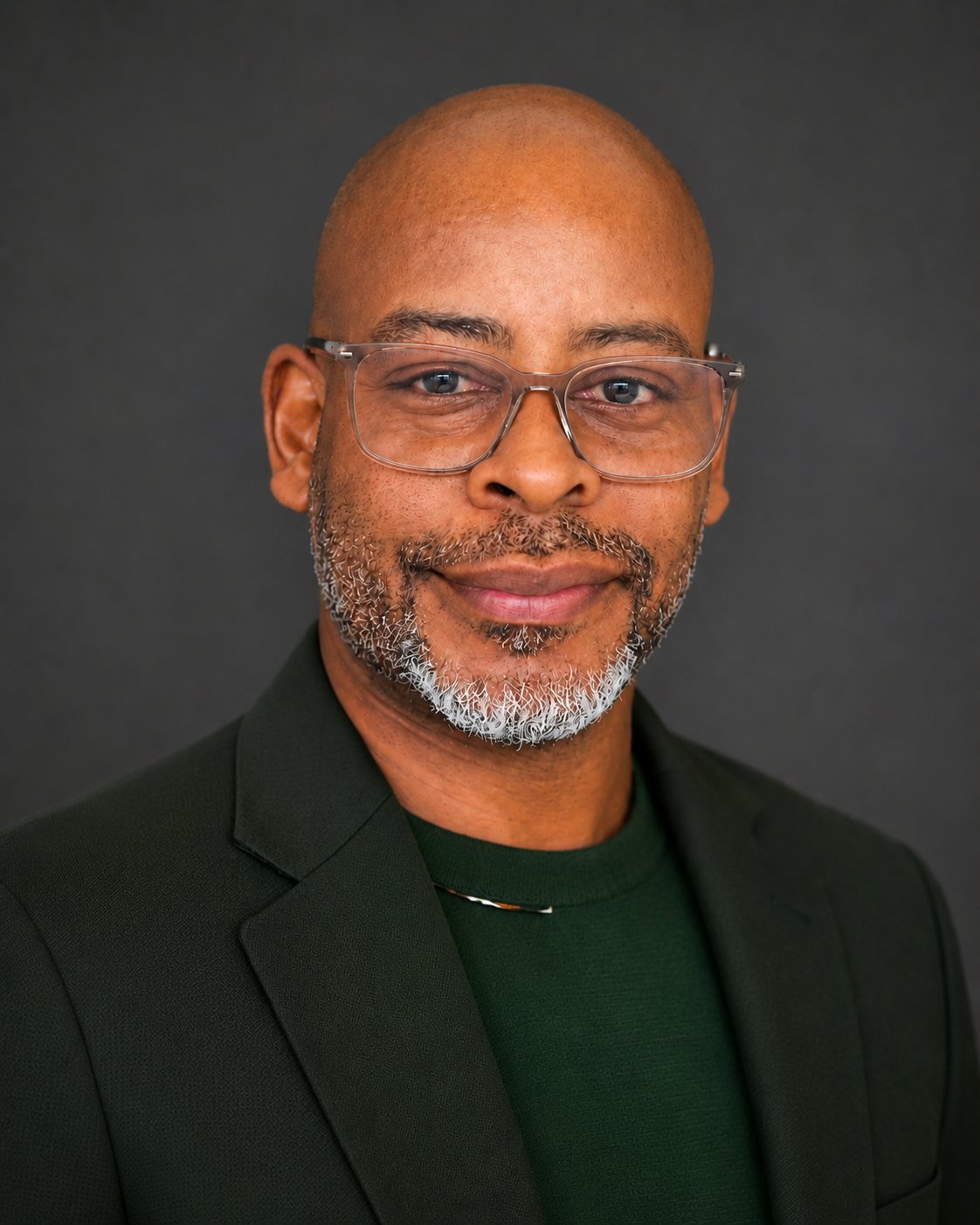
S. Cupid Theodore
CEO and Founder, Region Six International Advisory Services
LL.B. (Hons.) (Lond.); LL.M., Oil & Gas Law (UWI)
Caribbean · Africa · Latin America · USA · UK
S. Cupid Theodore is a law-trained policy advisor, media professional, labour advocate, thought leader and reparatory justice strategist whose work connects institutions, social movements, and communities across Africa, the Caribbean, Latin America, the USA and the UK. As CEO and founder of Region Six, he brings together legal analysis, public engagement, labour history, communications, and cross-regional convening to help partners move reparatory justice from principle to execution. With his presence in Accra and on the African continent, S.C. Theodore gives Region Six its strategic direction and ability to bridge government, civil society, public education and implementation. This makes the firm more than a training consultancy, but a cross-regional advisory and engagement platform.
Region Six Note
Theodore's experience across policy forums, publishing, civil society, academia and international advocacy gives Region Six a rare ability to speak to governments and institutions while staying connected to the people and grassroots movements that give the work its force.
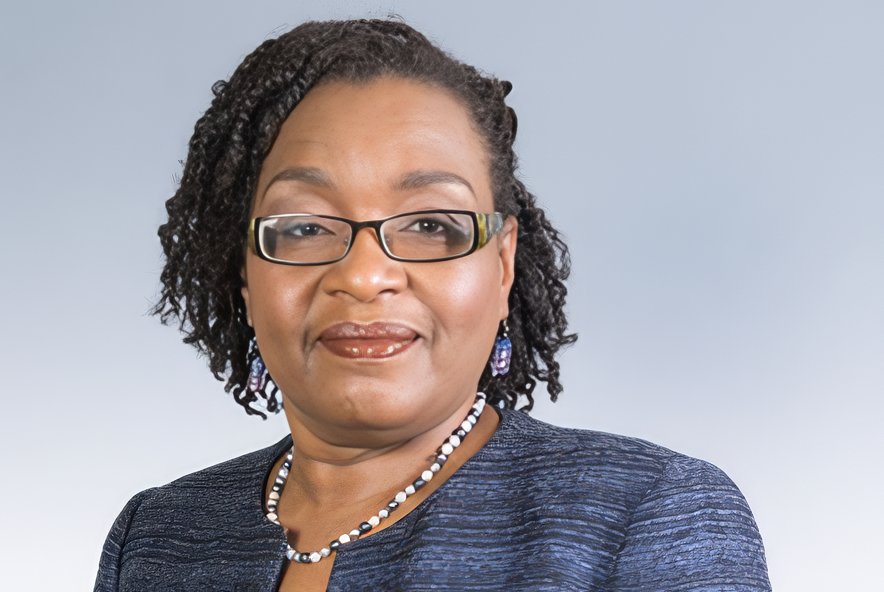
Rhoda Reddock
Senior Advisor, Gender, Social Change and Development
Professor Emerita, Institute for Gender and Development Studies, UWI
Caribbean · Trinidad and Tobago · International
Rhoda Reddock is emerita professor of Gender, Social Change and Development, and former Deputy Campus Principal of the University of the West Indies, St. Augustine campus. She is one of the Caribbean's most respected scholars of gender, labour, social movements, and development. Her work has helped shape the field of gender and development studies at The University of the West Indies and has influenced regional and international conversations on women's rights, social and labour history, intersectionality, citizenship, and social transformation.
Region Six Note
Rhoda strengthens Region Six's intersectional depth, ensuring repair is understood through gender, labour, social movements, and the lived realities of Caribbean people.
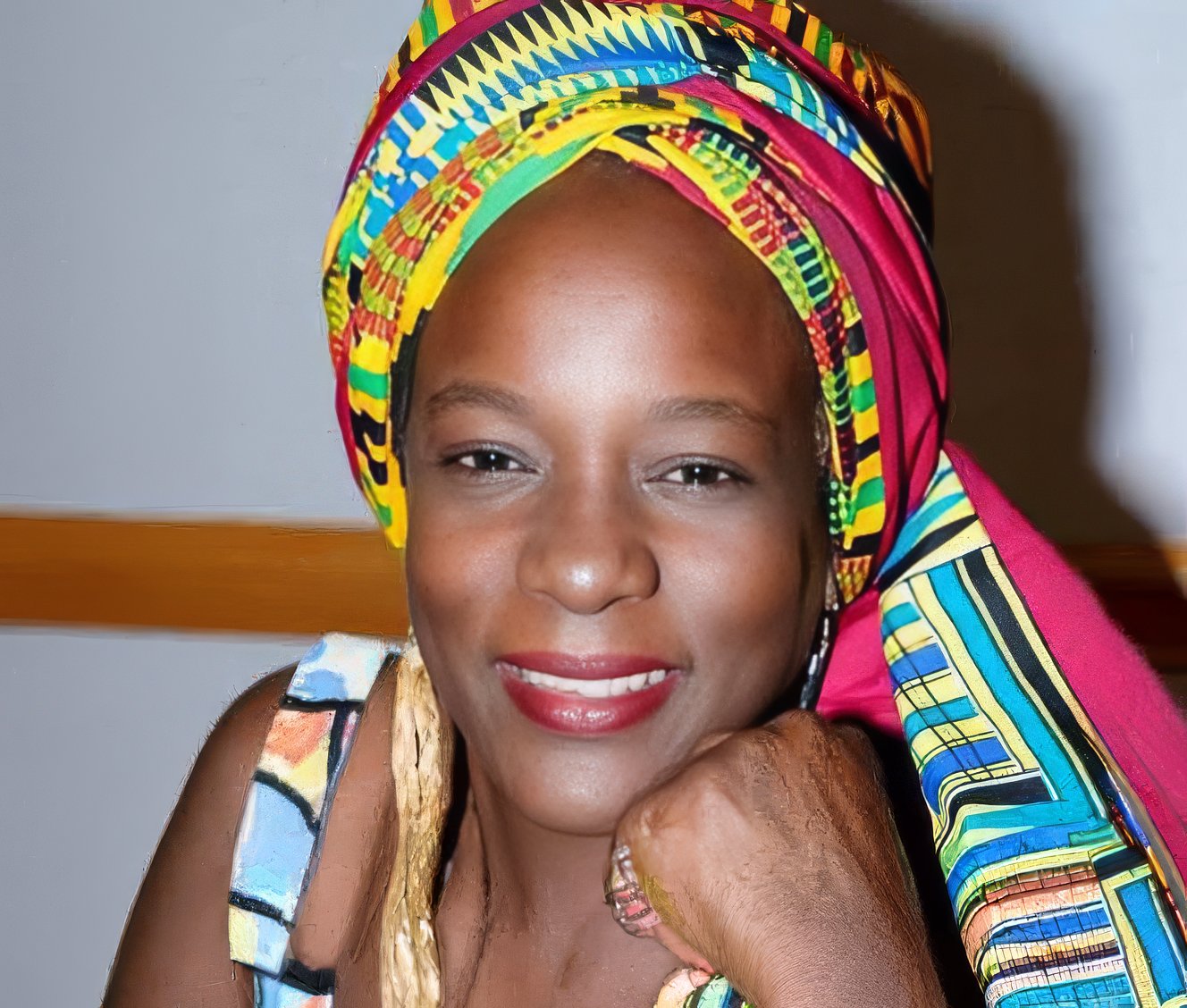
Iya Chief Akilah Jaramogi
Senior Advisor, Indigenous Knowledges, Climate Resilience and Communities · Co-Founder and CEO, Fondes Amandes Community Reforestation Project
Forester · Environmental Consultant · Social Entrepreneur · Cultural Activist
Caribbean · Trinidad and Tobago · Global Environmental Networks
Iya Chief Akilah Jaramogi (She/Her) is an environmental consultant, social entrepreneur, forester, cultural activist and trainer of trainers. She is the Founder and Executive Director of the Fondes Amandes Community Reforestation Project, in Trinidad and Tobago, where, for more than three decades, she has led initiatives focused on community development, environmental stewardship, and cultural education. Akilah engages in new forest conservation and rehabilitation methods within her community to curb the trend of forest and bush fires and to reforest the hillsides by imploring methods of agroforestry and permaculture. As a trainer, Akilah has worked tirelessly to share FACRP's model of community forestry throughout the world, and in 2007 she received, on behalf of her organisation, Trinidad and Tobago's highest humanitarian honour, the Hummingbird Gold Medal Award, for Community Service.
Region Six Note
Akilah ensures Region Six's reparatory justice work remains connected to land, climate, community leadership, and forms of repair people can see and experience.
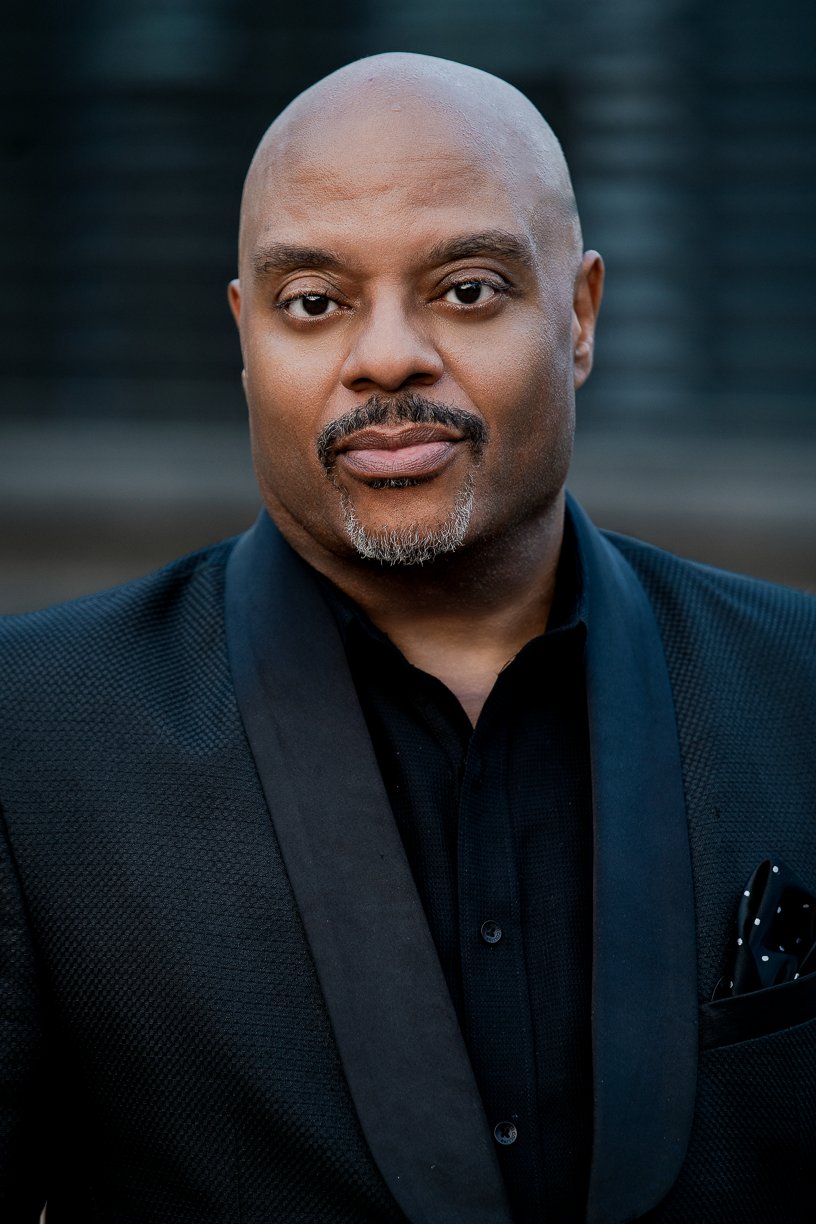
Larry Lowe
Strategic Communications and Marketing Specialist
Brand Strategy · Public Engagement · Digital Communications
Ghana · United States · Caribbean
Larry Lowe brings Region Six the strategic communications discipline needed to make complex reparatory justice work clear, credible, and actionable for different audiences. With more than 30 years of experience in brand strategy, campaign development, public engagement, education-driven marketing, executive messaging, and international communications, he helps translate big ideas into messages that governments, funders, institutions, communities, and the public can understand and use. For Region Six, Larry supports the brand voice, digital presence, content strategy, stakeholder communications, and public education systems that turn vision into engagement.
Region Six Note
Larry helps Region Six communicate with the precision required for institutions and the clarity required for the public, strengthening trust, visibility, and conversion from interest to partnership.
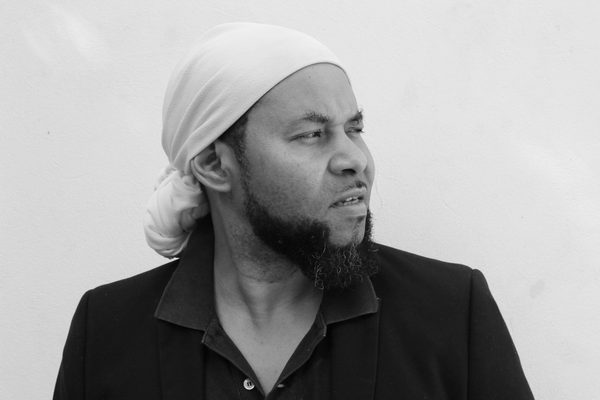
Rubadiri Victor
Culture and Creative Industries Specialist · Founder, Artists' Coalition of Trinidad & Tobago; Founder, Wire Bend Folklore Theatre
Multi-Media Artist · Cultural Scholar · Public Imagination
Caribbean · Trinidad and Tobago
Rubadiri Victor is a multimedia artist, cultural activist, scholar, curator, storyteller, writer, lead singer/songwriter and creative industries cultural consultant, and much more. His work spans ancestral, contemporary, and futurist folklore, traditional masquerade, cultural theory, performance, public organizing, and creative education. As founder & president of the Artists' Coalition of Trinidad & Tobago (ACTT), the country's primary creative industry workers' representative group, he is one of the most influential creative sector change agents in his country and the Caribbean region.
Region Six Note
Rubadiri helps Region Six connect policy and healing to culture, memory, public imagination, and the Caribbean traditions that make repair emotionally meaningful.
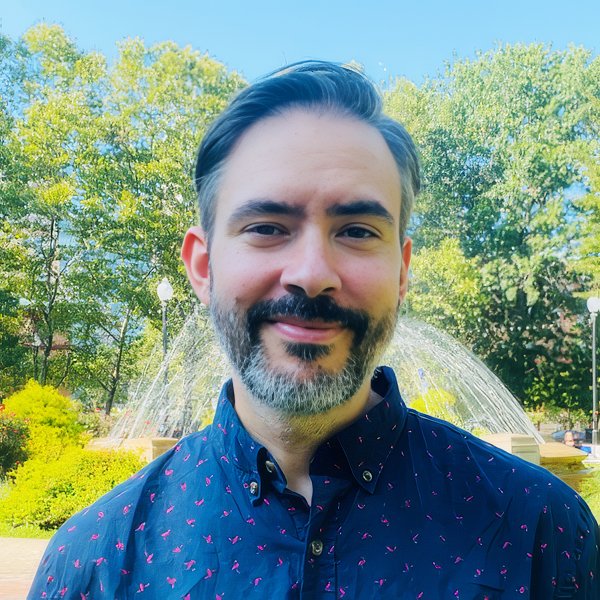
Pablo Morales
Publications Coordinator & Managing Editor
Publications · Editorial Strategy · Latin America
Latin America · North America · Caribbean
Pablo Morales is a longtime editor in journalistic and scholarly publishing. Over 25 years, his career has been defined by a commitment to helping authors communicate complex ideas with clarity, precision, and intellectual rigor while guiding publications through every stage of the editorial and production process. Pablo's career began in New York at PBS and the Village Voice newspaper, followed by an editor-in-chief position at NACLA Report on the Americas, an award-winning publication on Latin American and Caribbean politics, social movements, and international relations. Since then, he has freelanced for various magazine and book publishers, including Condé Nast, Time Warner, and the University of California Press. Currently, Pablo serves as managing editor of American Ethnologist, a leading peer-reviewed journal in cultural anthropology.
Region Six Note
Pablo helps Region Six turn research, commentary, field knowledge and movement insight into credible publications, public education tools, and cross-regional narratives.

Emelia Adjeley Sewoatsri
Community Engagement Lead, Ghana
MA Communication Studies · BA Management Studies, University of Cape Coast
Ghana · West Africa
Emelia Adjeley Sewoatsri is a Ghanaian entrepreneur, philanthropist, and administrative professional with extensive experience in administration, communications, customer relations, and organizational management. Fluent in English, Ewe and Twi, with working knowledge of French, Spanish, Hausa, Frafra, and several other Ghanaian languages, she brings Region Six deep communications, stakeholder relations, and community engagement capacity across Ghana and the wider West African region.
Region Six Note
Emelia anchors Region Six's community presence and stakeholder relations in Ghana, connecting institutional work to people, communities, and local networks.
Start a Conversation
Tell us about the work you are doing and what you are looking for.
Region Six welcomes introductory conversations with governments, institutions, civil society partners, funders, sponsors, business partners, and strategic leaders who are serious about advancing reparatory justice as a pathway to sovereignty and shared prosperity.
Please share what you are working on, what you are looking for, and how you prefer to connect. A member of our team will follow up within five business days.
Prefer to write directly?
southsouthglobal@proton.me